
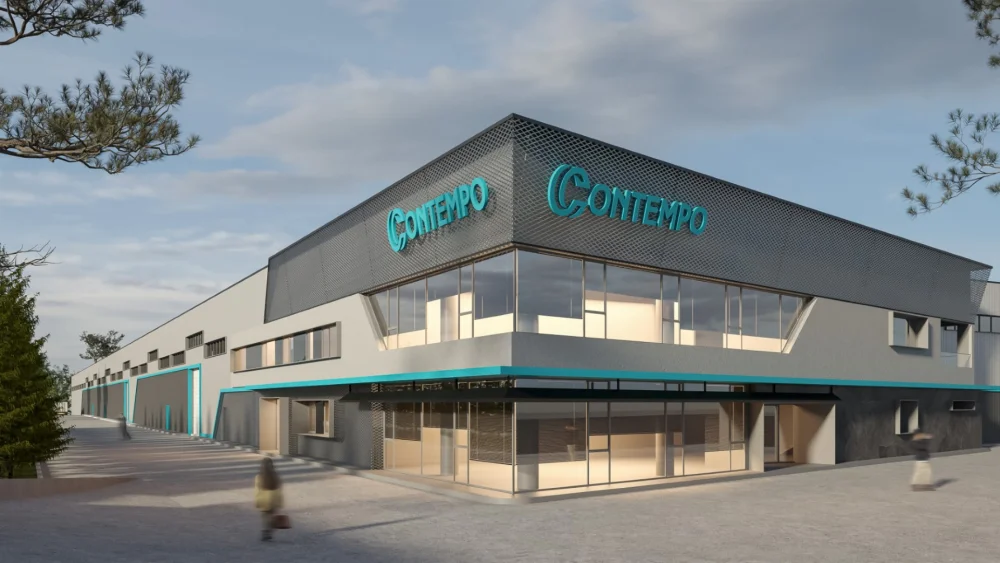
As ERKE, we structured the sustainability goals for the CONTEMPO HALI ISPARTA FACTORY BUILDING project in Gönen, Isparta in alignment with the needs of the production facility and managed the process under LEED v4 BD+C: NC. The project achieved a total of 51/110 points and was certified LEED Silver on March 11, 2026. This LEED-certified industrial production facility, with an approximate area of 5,905 m², stood out with a balanced and practical sustainability framework across water efficiency, energy performance, site strategies, and indoor environmental quality. We successfully delivered the goal of a LEED-certified industrial building in Gönen through engineering decisions aligned with the project’s realities.
Project Summary
System: LEED v4 BD+C: NC.
Level: LEED Silver.
Score: 51/110.
Date: March 11, 2026.
m²: 5,905 m².
Location: Gönen, Isparta, Türkiye.
Project owner: Contempo Halı San. Tic. ve A.Ş.
Official website: Contempo Carpets.
USGBC Project Link: -
Scorecard Summary
This LEED Silver result of 51/110 points represents the tangible outcome of the balanced strategy we established across water, energy, site, and innovation categories. We optimized the credit distribution in line with the project’s industrial use scenario, site conditions, and employer objectives.
LT – 5/16
We achieved 5/16 points in the Location and Transportation category. By integrating sensitive land protection, surrounding use diversity, reduced parking footprint, and a green vehicle approach into the project framework, we optimized transportation-related environmental impacts at a manageable level and structured this category in the most suitable way in line with project goals.
SS – 6/10
We received 6/10 points in the Sustainable Sites category. We managed the site assessment at an early stage, established a strong rainwater management strategy, and improved the environmental performance of the land with solutions that reduce the heat island effect.
WE – 9/11
With 9/11 points in Water Efficiency, we established one of the project’s strongest areas. We reduced outdoor water use, maximized efficiency through indoor fixture and system selections, and clearly improved water performance by making consumption traceable through metering infrastructure.
EA – 13/33
We achieved 13/33 points in the Energy and Atmosphere category. By placing energy performance optimization at the center, we secured an energy efficiency gain of 11/18 points; through advanced energy metering and refrigerant management decisions, we strengthened operational performance on the basis of long-term traceability.
MR – 3/13
We received 3/13 points under Materials and Resources. We managed the evaluation of materials with environmental product declarations and achieved full points in construction and demolition waste management; we structured the material strategy at a practical level aligned with the project scope and supply realities.
IEQ – 6/16
We reached 6/16 points in the Indoor Environmental Quality category. Through enhanced indoor air quality strategies, construction indoor air quality management, indoor air quality assessment, and lighting performance, we created a structure that supports employee comfort and indoor health.
IN – 5/6
We received 5/6 points in the Innovation category. We integrated innovative practices into the project process and strengthened certification management through LEED AP expertise, effectively managing the interdisciplinary coordination of credits.
RP – 3/4
We achieved 3/4 points in Regional Priority. By developing decisions aligned with regional priorities in reduced parking footprint, rainwater management, and heat island reduction, we managed local environmental impacts more effectively.
IP – 1/1
We received a full 1/1 point in the Integrative Process category. At the beginning of the process, we established an interdisciplinary decision-making mechanism and combined water, energy, and site data within a single strategic framework; this approach formed the basis of the decisions we made throughout the project.
Technical Information
This project is an industrial production facility with a gross area of 5,905 m². We managed the process under the LEED v4 BD+C: NC system and brought the project to LEED Silver level with 51/110 points.
What is LEED?
LEED is a global green building rating system developed by the USGBC that evaluates the environmental performance of buildings across categories such as energy, water, materials, indoor environmental quality, and location. For new buildings and major renovations, the BD+C framework is used, and this system provides project teams with a structured roadmap to deliver healthy, efficient, and cost-effective buildings. For more comprehensive information about the LEED approach, you can review our LEED certification page.
ERKE’s Role
Green Building Consultancy and Certification Strategy: In the pre-assessment stage, we clarified the project’s potential, determined the target score distribution, and customized the certification strategy according to the industrial use scenario. With the engineering expertise we have built since 1995, we managed the process not only with a focus on points, but also on practicality and operational efficiency.
Sustainable Building Analyses & CFD: We shaped the energy modeling approach in alignment with the building’s production function and operational characteristics. By interpreting design decisions through their performance impacts, we developed technical guidance that reduces energy consumption and supports user comfort.
Sustainable Material Consultancy: We coordinated the evaluation of products with environmental declarations, supply chain compliance, and document management. In this way, we managed material selections in a balanced manner in line with both LEED requirements and the project budget and supply realities.
Testing and Commissioning with System Safety Coordination: We integrated fundamental commissioning requirements, the energy metering approach, and system performance verification into the project process. In this way, we supported the building in delivering measurable and reliable performance not only during the design stage, but also throughout operation.
Sectoral and Environmental Contribution
Sustainability in industrial buildings is not only about achieving a certification target; it also means addressing production continuity, control of operating costs, and employee comfort together. In this project, we reduced resource consumption by increasing water efficiency, contributed to operational efficiency by optimizing energy performance, and created a healthier working environment by strengthening indoor environmental quality. As a result, what emerged was a building that embodies the LEED-certified industrial production facility approach in Gönen, reducing environmental impact while also increasing operational resilience.
Conclusion
While achieving LEED Silver level in the CONTEMPO CARPETS project, we transformed sustainability into a measurable and manageable engineering strategy aligned with the realities of a production facility. As ERKE, as in every project, we correctly interpreted the goals and developed the most suitable sustainability framework; contact us to achieve similar sustainability success in your projects.
Click here to review our other projects in the Industrial Buildings and Data Centers category.