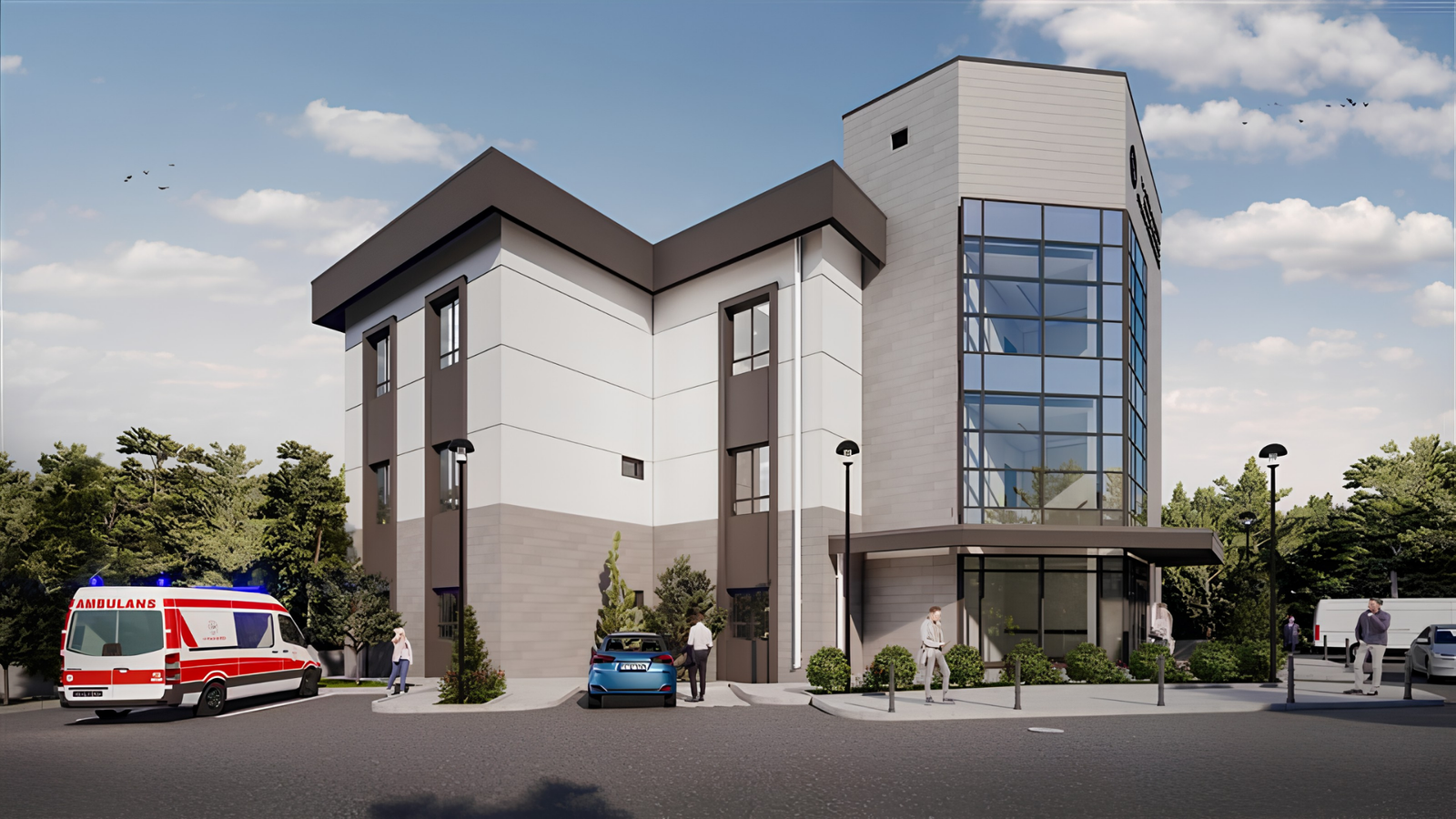
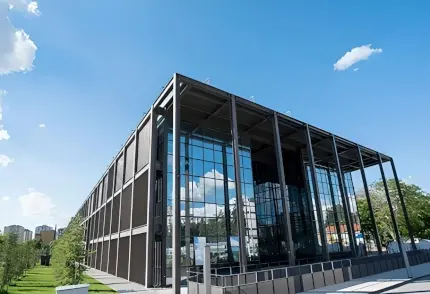
Building Area: 1,045 m² Investor: Ministry of Health of the Republic of Türkiye, General Directorate of Health Investments Location: Bağcılar, Istanbul, Türkiye
Located in Bağcılar, Istanbul, Istanbul Bağcılar İnönü Health Center Building achieved EDGE Advanced Certification on July 1, 2026, demonstrating a strong sustainability performance based on energy, water and material efficiency in healthcare buildings. With 44.65% energy savings, 40.27% water savings and 32.12% less embodied carbon in materials, the project sets a strong example for resource-efficient healthcare infrastructure.
Project Summary: System: EDGE Advanced Certificate – EDGE Assessment v3.1.0, Healthcare / Clinics, New Building, Post-Construction Level: EDGE Advanced Energy Savings: 44.65% Water Savings: 40.27% Less Embodied Carbon in Materials: 32.12% Certification Date: July 1, 2026 Area: 1,045 m² Location: Bağcılar, Istanbul, Türkiye Project Owner: Ministry of Health of the Republic of Türkiye, General Directorate of Health Investments Certificate Number: GP2-TUR-26020510260759
Success Through EDGE Strategies (PERFORMANCE SUMMARY):
Energy Efficiency (44.65% Savings): The project achieved strong energy performance through a reduced window-to-wall ratio, reflective roof and exterior wall surfaces, external shading devices, roof–floor–wall insulation, high-performance glazing, a VRF cooling and heating system, solar-supported domestic hot water, efficient interior and exterior lighting, and power factor correction.
Water Efficiency (40.27% Savings): Low-flow bathroom fixtures, efficient water closets, low-flow kitchen faucets and water-efficient landscape irrigation helped reduce water consumption in daily building operations. Rainwater harvesting, wastewater treatment and reuse, condensate water recovery and smart water meters further strengthened the project’s water management strategy.
Material Efficiency and Embodied Carbon (32.12% Reduction): Material-related environmental impact was reduced through reinforced concrete slab and roof systems, AAC block and reinforced concrete wall components, double glazing, aluminum frames and insulation solutions. These strategies contribute to lower embodied carbon performance throughout the healthcare building’s life cycle.
Carbon and Operational Impact: The project’s annual operational CO₂ emissions were calculated as 30.15 tCO₂e/year, while operational CO₂ savings reached 18.2 tCO₂/year. With an annual impact on 24,920 people, the building shows how environmental performance and social value can be addressed together in healthcare infrastructure.
Conclusion: Istanbul Bağcılar İnönü Health Center Building stands out as a successful example of resource efficiency, low-carbon design and measurable environmental performance in healthcare buildings. Through its energy, water and material strategies, the project delivers long-term sustainability value for both users and the urban environment. To achieve similar sustainability goals in your projects, you can contact our expert team.
Similar Projects: To explore our other projects in Healthcare Buildings, click here.